
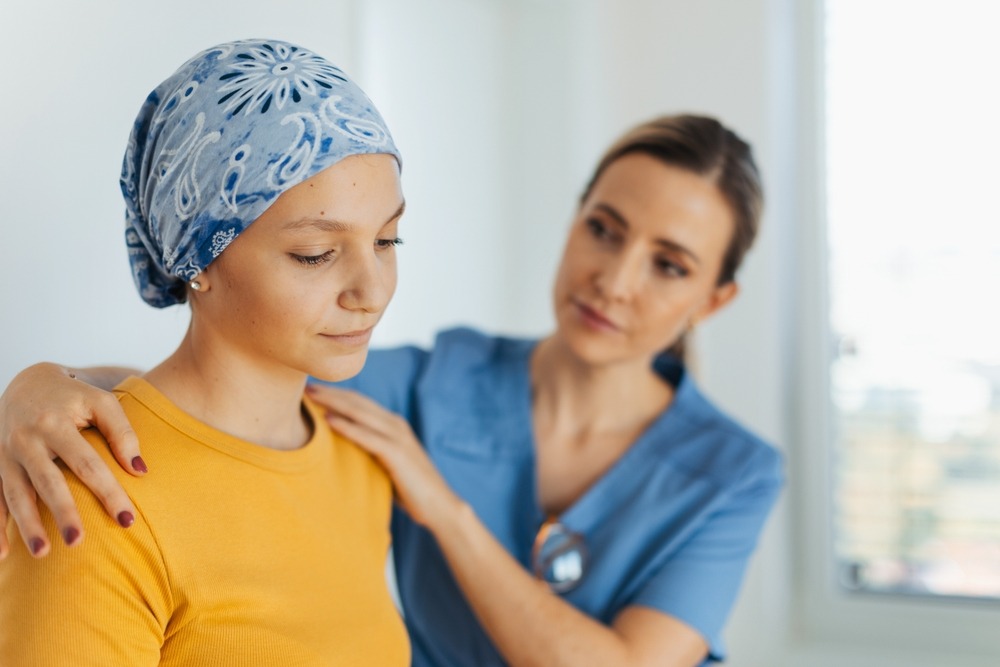
Cancer remains one of the most daunting health challenges worldwide. However, with advancements in medical science, the treatment of cancer has made significant strides, offering new hope to patients and families. Cancer treatment today involves a multi-faceted approach, combining surgery, chemotherapy, radiation, immunotherapy, and other cutting-edge therapies. The key to improving survival rates and quality of life lies in early detection and accessing the right treatment at the right time.
This article explores the different cancer treatment options available, the role of a surgical oncologist, and how patients can seek the best cancer treatment tailored to their specific needs.
Types of Cancer Treatment
Cancer treatment is highly personalized, as it depends on the type, location, and stage of the cancer, as well as the patient’s overall health. The main types of cancer treatment include surgery, chemotherapy, radiation therapy, immunotherapy, and targeted therapy. Many patients undergo a combination of treatments to maximize their chances of recovery.
1. Surgery
Surgery is often the first line of treatment for many types of cancer, especially when the tumor is localized and has not spread to other parts of the body. A surgical oncologist specializes in the surgical removal of tumors, biopsies, and other procedures related to cancer. The goal of surgery is to remove as much of the cancerous tissue as possible, reducing the tumor’s size or eliminating it entirely.
In some cases, surgery is used for diagnostic purposes, such as taking a biopsy of a tumor to confirm whether it is malignant. In advanced stages of cancer, surgery may be combined with chemotherapy or radiation to address tumors and prevent the cancer from spreading further.
2. Chemotherapy
Chemotherapy involves the use of powerful drugs to kill or inhibit the growth of cancer cells. It is commonly used when cancer has spread to multiple areas of the body or is too large to be surgically removed. Chemotherapy drugs work by targeting rapidly dividing cells, which include cancer cells.
While chemotherapy is effective in treating many types of cancer, it also affects healthy cells, which can lead to side effects such as nausea, hair loss, and fatigue. However, with new research and advancements, chemotherapy is becoming more targeted, reducing its impact on healthy tissues and improving its effectiveness.
3. Radiation Therapy
Radiation therapy uses high-energy radiation to target and destroy cancer cells. This treatment can be applied externally through a machine or internally through brachytherapy, where radiation sources are placed close to the tumor. Radiation is typically used when surgery is not an option, or it is used alongside surgery to shrink tumors before an operation.
For localized cancers, radiation can be an effective treatment. It is often used to treat cancers of the head, neck, lungs, and prostate. Similar to chemotherapy, radiation therapy may cause side effects, including skin irritation, fatigue, and difficulty swallowing, depending on the area treated.
4. Immunotherapy
Immunotherapy is a newer approach to cancer treatment that harnesses the body’s immune system to recognize and fight cancer cells. This type of treatment boosts or manipulates the immune system to target cancer cells more effectively. Immunotherapy has shown great promise in treating cancers that were previously difficult to treat, such as melanoma, lung cancer, and certain types of lymphoma.
Immunotherapy treatments include checkpoint inhibitors, monoclonal antibodies, and cancer vaccines. While immunotherapy is highly effective for some patients, it may not work for everyone, and ongoing research is focused on improving its application and efficacy.
5. Targeted Therapy
Targeted therapy focuses on specific molecules or genes involved in the growth and spread of cancer. By targeting these specific genetic mutations or proteins, targeted therapies can stop cancer cells from growing without affecting normal, healthy cells. This approach is often used in combination with chemotherapy or other treatments to increase effectiveness.
Targeted therapies are particularly useful for cancers with identifiable genetic mutations, such as HER2-positive breast cancer or EGFR mutations in lung cancer. Targeted therapies tend to have fewer side effects than chemotherapy, but they can still cause issues like fatigue, skin problems, and gastrointestinal discomfort.
The Role of a Surgical Oncologist in Cancer Care
A surgical oncologist plays a vital role in the management of cancer treatment. These specialists are trained in the surgical removal of tumors, biopsy procedures, and reconstructive surgery following cancer treatments. They work closely with other members of the oncology team, including medical oncologists, radiologists, and pathologists, to create a comprehensive treatment plan tailored to each patient.
Surgical oncologists are often the first line of defense when it comes to diagnosing and treating cancer. They are responsible for removing tumors, assessing the extent of cancer spread, and performing surgeries to restore function and appearance post-treatment. Their expertise is crucial in ensuring that patients receive the best chance for long-term survival, particularly in early-stage cancers.
How to Access the Best Cancer Treatment
Accessing the best cancer treatment involves several key factors:
- Early Detection: The sooner cancer is detected, the more likely treatment will be successful. Regular screenings, awareness of symptoms, and consultation with healthcare providers play an essential role in early diagnosis.
- Seeking Expert Care: To receive the best treatment, patients must seek out specialists who are experienced in treating the specific type of cancer they have. A surgical oncologist with expertise in the particular type of cancer can provide the most effective treatment options. Additionally, seeking care at a cancer center or hospital with a multidisciplinary team ensures that all aspects of treatment are covered.
- Personalized Treatment Plans: Each cancer case is unique, and so is its treatment. Personalized treatment plans, often developed in collaboration with a team of doctors, ensure that each patient receives the most effective care based on their specific condition, lifestyle, and preferences.
- Access to Cutting-Edge Therapies: The field of cancer treatment is constantly evolving, with new therapies and technologies emerging all the time. Patients should seek out hospitals and clinics that offer access to the latest treatments, including immunotherapy, targeted therapy, and clinical trials that explore new treatment options.
Conclusion
Cancer treatment has come a long way in recent decades, offering new hope for those affected by the disease. Whether through surgery, chemotherapy, radiation, immunotherapy, or targeted therapy, the options available today are more effective than ever before. Working with a surgical oncologist and accessing the best cancer treatment tailored to the patient’s needs is critical in ensuring the best possible outcome.
The fight against cancer is ongoing, but with early detection, personalized care, and cutting-edge treatment options, patients have a much greater chance of surviving and thriving. It’s essential for anyone diagnosed with cancer to work closely with their healthcare providers, explore all available treatment options, and seek support throughout their journey.