
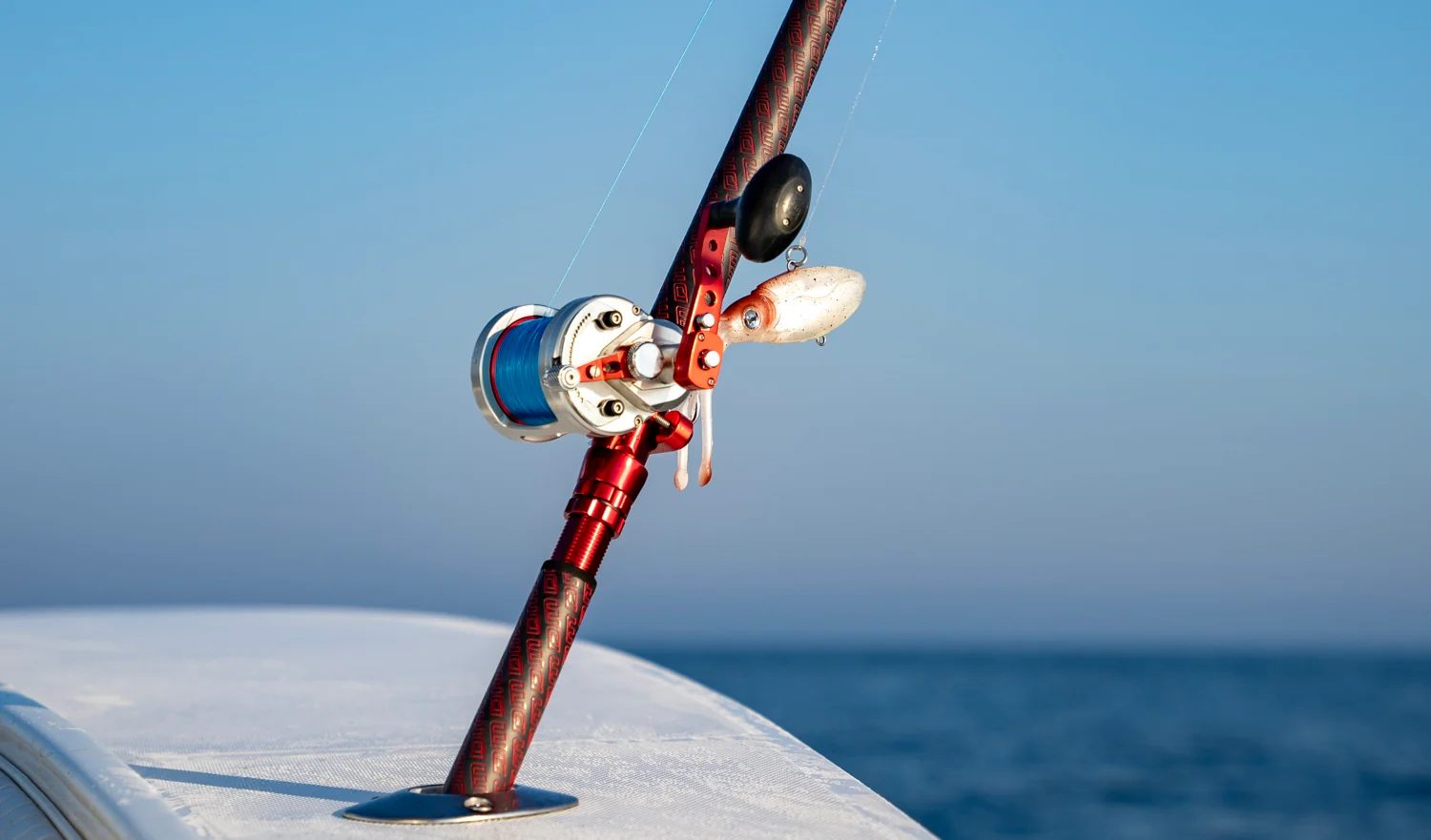
Some of the ocean’s most prized and hard-fighting species live far below the surface, in depths that make manual reeling exhausting and impractical. Electric reels change that completely. By taking over the mechanical work of retrieving line, they open up a world of deep-water fishing that would otherwise push most recreational anglers to their physical limits. If you are wondering whether an electric reel is worth the investment, the answer often comes down to what you want to catch.
Why Electric Reels Are Built for Deep Water
Fishing at depths of 300 to 1,200 feet with a conventional reel is a significant physical undertaking, especially when you factor in heavy terminal tackle and the need to move between spots multiple times in a session. Electric reels use motorized retrieval powered by strong planetary reduction gears to handle those loads efficiently, letting you drop and retrieve repeatedly without wearing yourself out. That endurance advantage translates directly into more time fishing and more opportunities to find the right depth and location.
Swordfish
Daytime swordfishing has become one of the fastest-growing offshore pursuits, and electric reels are central to why it has taken off. Swordfish are typically found at depths between 300 and 1,500 feet during daylight hours, making motorized retrieval not just convenient but necessary. Heavy braided line in the 65 to 130-pound range paired with a powerful electric reel gives anglers the ability to work baits at extreme depths and still have the energy to fight the fish when it counts.
Tuna
Bigeye and bluefin tuna are frequently targeted in deeper water where electric reels give anglers a real edge. When tuna are holding at depth or feeding below the thermocline, getting baits into the strike zone quickly and repeatedly is critical. Electric reels with high retrieve speeds make it possible to cycle through drops efficiently, increasing the chances of a hookup during an active feed.
Tilefish and Snapper
Tilefish are one of the most popular deep-drop targets, typically found over sandy bottom at 400 to 900 feet. They are a consistent producer on multi-hook rigs, and the weight of those rigs at depth makes an electric reel the practical choice for most anglers. Queen snapper, red snapper, and other deep-water snapper varieties follow a similar pattern, found at depths where manual retrieval quickly becomes exhausting, particularly during a productive session with multiple drops.
Halibut, Grouper, and Rockfish
Pacific and Alaskan halibut are prime electric reel targets, commonly found between 100 and 400 feet depending on the region and season. Their size and the weight of the required tackle make electric retrieval a significant advantage over multi-drop sessions. Deep-water grouper, hapuka, and bluenose are similarly well-suited to electric reel fishing, often found at 300 to 600 feet. Rockfish and black cod, popular targets in the Pacific Northwest and Alaska, are frequently caught on multi-hook rigs at depths of 200 to 800 feet, where the combination of fish weight and rig weight makes an electric reel the sensible choice.
Choosing the Right Electric Reel for Your Target Species
Matching your reel to the species and depth you are targeting is important. For lighter deep-drop applications such as snapper and tilefish, a mid-range reel with solid line capacity and a reliable drag system will serve you well. For heavier targets like swordfish and large tuna, you need more winding power, a higher voltage motor, and a battery with enough capacity to handle a full day of deep drops. Features worth prioritizing include a readable LCD display for depth tracking, multi-speed settings for different retrieval situations, and compatibility with a 12V boat battery or dedicated reel battery. If you are looking for a capable option built for serious offshore use, a warlord electric reel is worth considering for its power and depth range performance. Price is also a factor: recreational anglers can find quality options well under $500, while professional-grade units designed for extreme depths will sit at the higher end of the market.
Final Word
Electric reels have made deep-water fishing accessible to a much wider range of anglers by removing the physical barrier that comes with fishing at extreme depths. Whether you are targeting swordfish, tilefish, halibut, or rockfish, the right electric reel lets you fish harder, stay longer, and come home with a better result. If deep-drop fishing is on your agenda, an electric reel is one of the most impactful upgrades you can make to your offshore setup.