Water damage restoration is the professional process of cleaning, drying, and repairing a property after water intrusion from floods, leaks, storms, or appliance failures. Whether it’s a burst pipe in your basement or storm flooding in your living room, timely water damage restoration prevents structural collapse, mold growth, and costly long-term repairs. In 2026, with extreme weather events on the rise, understanding water damage restoration has never been more important for homeowners and business owners.
“Water damage is temporary; expert restoration is permanent. Act fast, restore smart, and reclaim your home.” DryMedic of Palm Beach
Common Causes of Water Damage
Water damage doesn’t happen in isolation. The most frequent culprits include:
- Plumbing failures: Burst pipes, leaky faucets, or corroded water heaters account for nearly 40% of residential claims.
- Appliance malfunctions: Washing machines, dishwashers, and refrigerators with ice makers overflow or leak.
- Roof and exterior issues: Damaged shingles, clogged gutters, or ice dams during winter storms.
- Natural disasters: Flash floods, hurricanes, or heavy rainfall overwhelm drainage systems.
- HVAC and condensation problems: Poorly maintained air conditioners or sump pumps fail during peak seasons.
Identifying the source early is the first step in any effective water damage restoration plan.
Types of Water Damage: Categories That Determine Urgency
Professionals classify water into three categories based on contamination level:
- Category 1 (Clean Water): From a broken supply line or rainwater. Least hazardous and easiest to restore.
- Category 2 (Gray Water): Slightly contaminated from washing machines, dishwashers, or toilet bowls (without feces). Requires more aggressive cleaning.
- Category 3 (Black Water): Highly unsanitary—sewage backups, floodwater, or long-standing moisture. Poses serious health risks and demands full professional intervention.
The category directly impacts the water damage restoration timeline and cost. Black water jobs often require specialized PPE and disposal protocols.
9 Sneaky Signs You Need Water Damage Restoration
Don’t wait for visible flooding. Look for these warning signs:
- Musty or earthy odors (early mold indicator).
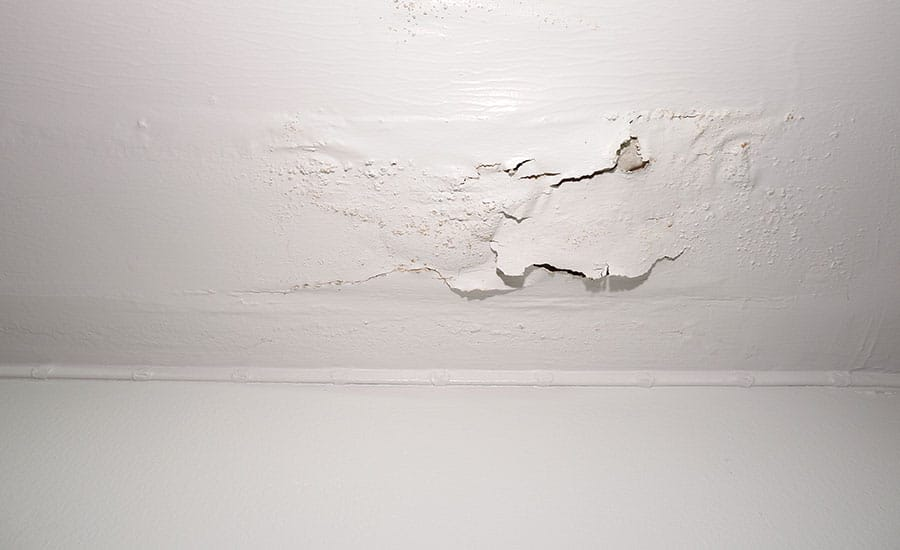
- Water stains or discoloration on ceilings and walls.
- Warped, buckled, or creaking hardwood floors.
- Bubbling or peeling paint and wallpaper.
- Soft, spongy drywall that gives when pressed.
- Increased allergy symptoms or respiratory issues indoors.
- Unexplained high water bills.
- Sagging ceilings or visible mold patches.
- Rust rings around fixtures or persistent dampness.
Early detection can cut restoration costs by up to 50% and prevent health hazards.
The Step-by-Step Water Damage Restoration Process
Professional water damage restoration follows a proven, science-based sequence developed by IICRC-certified technicians. Here’s exactly what happens:
- Emergency Response and Inspection Certified teams arrive within hours (ideally under 2–4 for emergencies). They identify the water source, shut it off, and perform a thorough moisture mapping using thermal imaging and moisture meters. They also classify the water category and damage class (how much absorption has occurred).
- Water Extraction and Removal Standing water is removed using industrial submersible pumps and truck-mounted extractors. This step alone can remove thousands of gallons in minutes and dramatically slows mold growth.
- Drying and Dehumidification Air movers, axial fans, and commercial dehumidifiers create a controlled drying environment. Technicians monitor progress daily with psychrometric readings until moisture levels return to normal (typically 24–72 hours for most materials).
- Cleaning, Sanitizing, and Odor Removal All affected surfaces, contents, and belongings receive antimicrobial treatment. HEPA air scrubbers remove airborne particles. Upholstery and carpets are cleaned or removed if unsalvageable.
- Repairs and Full Restoration Damaged drywall, flooring, insulation, and trim are replaced. Final painting, texturing, and cosmetic work return the property to pre-loss condition—often better than before.
The entire water damage restoration process typically takes 3–7 days for moderate cases and up to several weeks for severe flooding.
Why Professional Water Damage Restoration Beats DIY Every Time
Many homeowners attempt DIY cleanup with shop vacs and box fans. While it may seem cheaper upfront, improper drying leaves hidden moisture that leads to mold within 24–48 hours. Professionals use certified equipment, document everything for insurance claims, and guarantee structural integrity. DIY attempts often void insurance coverage and can cost 2–3 times more in secondary damage. Health risks from contaminated water and airborne mold make professional water damage restoration the only safe choice.
How Much Does Water Damage Restoration Cost in 2026?
National averages for water damage restoration in 2026 range from $1,383 to $6,384, with a typical project landing around $3,865. Costs vary widely:
- Minor clean-water leak (single room): $1,200–$3,000
- Moderate gray-water damage: $3,000–$8,000
- Severe black-water flooding (multiple rooms): $8,000–$25,000+
Per-square-foot pricing usually falls between $3–$7.50. Factors include water category, square footage, drying time, and whether structural repairs are needed. Most homeowners insurance policies cover sudden and accidental water damage (check your deductible and flood rider). Always request a detailed estimate and digital documentation from your restoration company.
How to Prevent Water Damage Before It Starts
Prevention is far cheaper than restoration. Follow these proactive steps:
- Inspect plumbing, hoses, and appliances annually.
- Clean gutters and downspouts twice a year.
- Install water leak detectors and smart shut-off valves.
- Maintain your sump pump and battery backup.
- Grade your yard away from the foundation.
- Service HVAC systems before peak seasons.
- Consider flood barriers or elevated appliances in high-risk areas.
Routine maintenance can reduce your risk by 70% or more.
Choosing the Right Water Damage Restoration Company
Look for IICRC certification, 24/7 emergency availability, and transparent pricing. Read recent Google reviews and verify they work directly with your insurance carrier. A reputable team will provide a free on-site assessment and a clear timeline.
Final Thoughts:
Water damage restoration isn’t just about fixing what’s wet—it’s about protecting your family’s health, your property’s value, and your peace of mind. By understanding the process, recognizing the signs, and choosing experienced professionals, you can minimize downtime and maximize recovery. If you’re dealing with water damage right now, don’t hesitate. Contact a trusted local water damage restoration service immediately. The faster you respond, the lower your costs and the better your outcome.
Disclaimer
The information provided in this article is for general informational and educational purposes only and should not be considered professional, legal, insurance, or construction advice. While every effort has been made to ensure accuracy, water damage situations can vary significantly depending on the source, severity, materials affected, and environmental conditions.
Cost estimates, timelines, and restoration outcomes mentioned are averages and may differ based on location, service provider, and specific property conditions. Readers should consult with certified water damage restoration professionals, licensed contractors, or insurance representatives for advice tailored to their situation.