Solar energy has become an increasingly important part of modern energy planning. As electricity prices rise and concerns about energy security and environmental sustainability continue to grow, homeowners, businesses, and property developers are exploring renewable energy options. Solar panels provide a practical way to generate electricity from sunlight while reducing dependence on conventional power sources. For people researching a Panneau solaire Var solution, understanding how solar technology works, what affects performance, and how to plan an installation can make the decision much easier.
Understanding Solar Panel Technology
Solar panels are devices designed to convert sunlight into usable electrical energy. Most modern panels use photovoltaic cells made from semiconductor materials, commonly silicon. When sunlight reaches these cells, it creates an electrical current that can be collected and converted into electricity suitable for homes, offices, commercial facilities, and other properties.
A typical solar energy system includes more than just panels. Depending on the design, it may contain an inverter, mounting equipment, electrical protection devices, monitoring technology, and sometimes a battery storage system. Each component has a specific purpose, and the quality and compatibility of these components can affect the overall performance of the system.
Solar technology has improved significantly over the years. Modern panels can produce more electricity from a relatively small roof area, making solar energy suitable for many different property types.
Why Solar Energy Is Becoming More Popular
One of the biggest reasons people consider solar panels is the opportunity to generate electricity on-site. Instead of purchasing all electricity from the grid, a property can produce part or, in some cases, most of its electricity through a properly designed solar system.
This can help reduce exposure to changing electricity prices. While the exact financial benefit depends on local electricity rates, system size, sunlight conditions, energy consumption, installation costs, and applicable regulations, generating electricity independently can provide greater control over long-term energy expenses.
Solar power can also support environmental goals. Electricity generated by photovoltaic panels does not require the combustion of fossil fuels during operation. As a result, solar energy can contribute to reducing the emissions associated with conventional electricity generation.
Choosing the Right Solar Panel System
There is no single solar system that is ideal for every property. The appropriate solution depends on several factors.
The first consideration is electricity consumption. A household that uses large amounts of electricity may require a larger system than a small property with relatively low consumption. Reviewing electricity bills can provide useful information about daily, monthly, and seasonal energy requirements.
Roof characteristics are also important. The available roof area, orientation, slope, structural condition, and amount of shade can all influence solar production. Trees, neighboring buildings, chimneys, and other structures may cast shadows across panels and reduce their output.
Local climate conditions should also be considered. Solar panels can operate in many different weather conditions, but the amount of sunlight available throughout the year has a direct effect on energy production. A professional assessment can help determine the expected performance of a proposed installation.
Solar Panel Efficiency Explained
Solar panel efficiency refers to the percentage of available sunlight that a panel can convert into electricity under specified testing conditions. Higher efficiency can be particularly useful when roof space is limited because more electricity can be generated from a smaller installation area.
However, efficiency should not be the only factor considered when comparing panels. A system’s overall performance depends on panel quality, inverter efficiency, installation design, temperature conditions, shading, orientation, maintenance, and other factors.
For this reason, selecting a panel solely because it has the highest efficiency rating may not always produce the best overall system. A balanced approach considers performance, durability, warranty coverage, installation requirements, and total system cost.
The Importance of the Solar Inverter
The inverter is one of the most important components in a solar energy system. Solar panels produce direct current electricity, while most homes and buildings use alternating current. The inverter converts the electricity into a form that can be used by electrical appliances and equipment.
Different inverter technologies are available. String inverters are commonly used in residential and commercial installations, while microinverters can be installed with individual panels. Hybrid inverters can also support systems that include battery storage.
The best choice depends on the design of the property and the characteristics of the solar array. Shading, panel orientation, system size, and future expansion plans can all influence the appropriate inverter configuration.
Solar Panels and Battery Storage
Solar panels generate electricity when sunlight is available, which means production naturally changes throughout the day. Energy consumption, however, may continue after sunset. Battery storage can help address this difference by storing some of the electricity generated during periods of strong solar production.
A battery can then provide stored energy when solar generation is lower or when electricity demand increases. This can be particularly useful for properties where evening electricity consumption is significant.
Battery storage also provides an additional option for managing energy usage. Instead of sending all excess solar generation elsewhere, a suitable system may store some of that energy for later use. The economic value of batteries depends on local electricity prices, tariffs, incentives, battery costs, and system usage patterns.
Installation Considerations
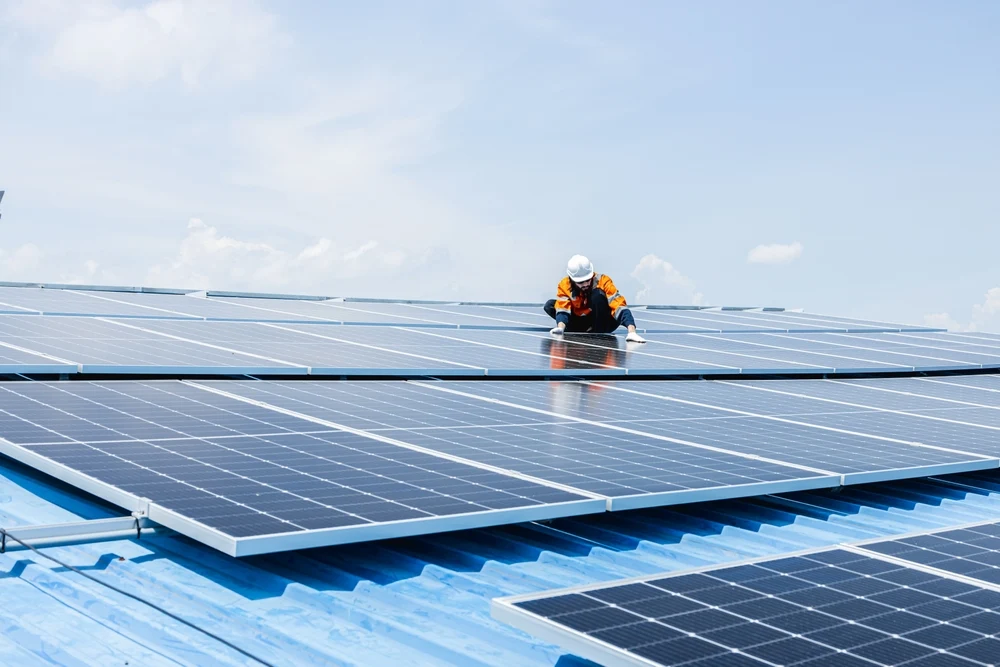
Professional installation is an important part of any solar project. Even high-quality panels can perform poorly if they are installed incorrectly or if the system is not properly designed.
Installers generally assess the roof, electrical infrastructure, expected energy consumption, panel placement, cable routing, inverter location, and other technical requirements before installation begins.
The mounting system must securely support the panels while accounting for local weather conditions. Electrical connections must also comply with relevant safety requirements and regulations.
A well-planned installation should consider both current energy needs and possible future changes. For example, an owner may eventually purchase an electric vehicle, install additional appliances, or add battery storage. Planning for potential expansion can sometimes prevent unnecessary redesign work later.
Maintenance Requirements
Solar panels generally require relatively little maintenance compared with many traditional energy systems. However, that does not mean they should be completely ignored after installation.
Dust, leaves, bird droppings, and other debris can accumulate on the surface of panels. In areas with frequent dust or limited rainfall, occasional cleaning may help maintain performance.
It is also useful to monitor system output. Modern solar systems often include monitoring platforms that allow property owners to observe electricity production. A significant and unexpected decline in production may indicate shading, equipment problems, wiring issues, or another technical concern.
Regular inspections can help identify problems before they become more serious.
How Weather Affects Solar Performance
Solar panels need sunlight, but they can continue generating electricity on cloudy days. However, production is generally lower when sunlight intensity decreases.
Temperature can also influence panel performance. Although sunny conditions are generally beneficial for solar generation, photovoltaic panels can become less efficient as their operating temperature rises. Panel design and installation conditions therefore matter when evaluating expected output.
Rain can have both short-term and long-term effects. Heavy cloud cover may reduce production during rainfall, while rain can also naturally wash dust and dirt from panel surfaces afterward.
These variations are normal and should be considered when estimating annual energy production rather than focusing on a single day’s output.
Financial Factors to Consider
The cost of a solar system varies widely. System size, panel technology, inverter selection, mounting requirements, installation complexity, electrical upgrades, batteries, and local labor costs can all influence the final price.
Instead of focusing only on the initial purchase price, property owners should consider the total cost of ownership. Warranty periods, expected system lifespan, maintenance requirements, energy production, and potential electricity savings can provide a broader picture.
Solar systems are typically long-term investments. A lower-cost system may not necessarily provide the same performance or durability as a system built with higher-quality components and professional installation.
Obtaining multiple detailed quotations can make it easier to compare equipment, installation services, warranties, estimated annual production, and other important factors.
Solar Energy for Residential Properties
Residential solar systems are often designed around household electricity consumption and available roof space. A typical homeowner may begin by reviewing electricity bills to determine how much energy is used throughout the year.
Household energy usage can vary considerably. Heating, cooling, water heating, kitchen appliances, entertainment equipment, and electric vehicles can all influence electricity demand.
A correctly sized system aims to balance available roof space with energy requirements. Installing a system that is substantially larger than practical consumption may not provide the same financial outcome as a carefully designed system.
Solar Energy for Businesses
Commercial properties can also benefit from solar generation. Offices, warehouses, retail facilities, factories, agricultural buildings, and other businesses may have substantial electricity requirements during daylight hours.
This can create a useful relationship between solar production and energy consumption. Businesses operating primarily during daylight hours may be able to use a significant portion of the electricity generated directly by their solar system.
Commercial installations may require additional planning because of larger system sizes, roof structures, electrical infrastructure, safety requirements, and operational considerations. A professional assessment is therefore especially important for larger projects.
Understanding Solar Warranties
Warranties are another important part of the purchasing process. Solar products may have different warranties covering the equipment itself and its expected electrical performance.
A product warranty generally addresses defects or failures in the equipment, while a performance warranty relates to the panel’s ability to maintain a specified level of output over time.
Installation companies may also provide separate workmanship warranties. These can cover issues associated with the installation rather than manufacturing defects.
Before purchasing a system, it is worth reading the warranty conditions carefully. Understanding what is covered, how long coverage lasts, and what procedures apply to warranty claims can prevent confusion later.
Common Mistakes to Avoid
One common mistake is choosing a solar system based only on its advertised price. A quotation that appears inexpensive may exclude important components, installation work, monitoring equipment, or other necessary services.
Another mistake is ignoring shading. Even partial shade can affect the output of a solar array, depending on the system configuration and affected panels.
Some property owners also underestimate their future energy needs. If electricity consumption is likely to increase, the initial system design should take that possibility into account.
Poor installation planning can create additional problems. Cable placement, roof penetrations, inverter positioning, ventilation, and electrical protection should all be handled carefully.
The Role of Professional Solar Advice
Solar technology is accessible to consumers, but designing a reliable system involves several technical considerations. A qualified professional can evaluate the property and recommend an appropriate configuration.
Professional advice can include solar resource assessment, energy consumption analysis, system sizing, panel placement, inverter selection, battery considerations, installation planning, and compliance requirements.
The goal is not simply to place as many panels as possible on a roof. A successful solar installation should be designed around the property’s energy needs, physical characteristics, and long-term objectives.
Future Developments in Solar Energy
The solar industry continues to evolve. Improvements in photovoltaic materials, manufacturing techniques, energy storage, monitoring systems, and power electronics are helping expand the possibilities for renewable energy.
Solar systems are also becoming increasingly integrated with smart energy technologies. Home energy management systems can coordinate solar generation, batteries, electric vehicles, and household consumption to improve how electricity is used.
As battery technology develops and costs change, energy storage may become increasingly important for households and businesses seeking greater control over their electricity usage.
Making an Informed Solar Decision
Anyone researching a Solar panel Var solution should look beyond the panel itself and consider the complete energy system. Electricity consumption, roof conditions, sunlight exposure, panel efficiency, inverter technology, installation quality, battery storage, warranties, maintenance, and long-term costs all contribute to the final result.
Solar power can provide a practical method of generating renewable electricity for residential and commercial properties. However, the benefits of a solar installation depend heavily on proper planning and appropriate system design.
Taking time to understand the technology and compare complete system proposals can help property owners make informed decisions. With suitable equipment, professional installation, and regular monitoring, a well-designed solar energy system can become a valuable part of a property’s long-term energy strategy.