
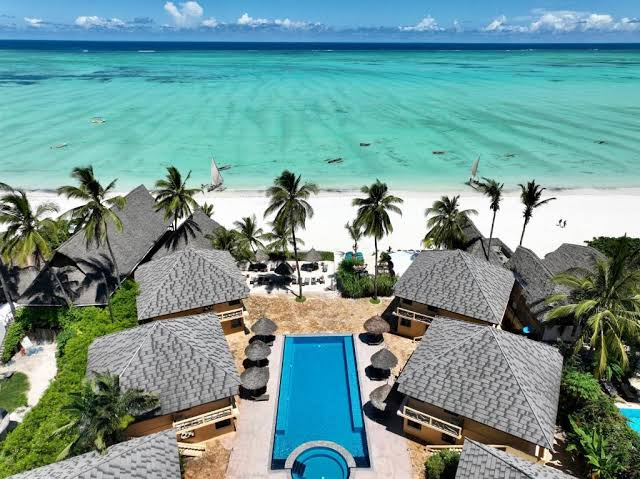
Zanzibar rewards travelers who look beyond the postcard: yes, the island has dazzling beaches, but its real magic lives in spice farms, coral sanctuaries, forest trails, fishing villages, sunset dhows, and centuries-old lanes. This guide highlights the quieter side of Zanzibar while still covering the classic Zanzibar attractions that help first-time visitors understand the island. Use it to shape a trip that balances culture, coast, nature, and unhurried discovery.
Where is Zanzibar, and why does it feel so different from mainland Tanzania?
Zanzibar is an Indian Ocean archipelago off Tanzania’s eastern coast, with Unguja often called “Zanzibar Island” and Pemba sitting farther north. On a Zanzibar map, you will see why it pairs so naturally with a mainland safari: it is close enough to combine with the Serengeti, Ngorongoro, or other Tanzanian wildlife regions, yet culturally and geographically distinct enough to feel like a second journey. The islands sit at a historic crossroads of African, Arab, Indian, and European influence, which is why a walk through Stone Town can feel as memorable as a day on a Zanzibar beach.
That blend is the first clue to planning well. If you arrive thinking Zanzibar is only a fly-and-flop beach stop, you may miss the food, architecture, forests, reefs, and village life that make the destination linger in memory. The best trips slow down enough for both: mornings in the sea, afternoons in shaded streets or spice gardens, and evenings listening to the call to prayer drift over carved wooden doors.
Stone Town is the island’s atmospheric heart
Stone Town is not a hidden gem in the sense of being unknown, but it is the key that unlocks so many tales from Zanzibar. UNESCO describes it as an outstanding example of a Swahili coastal trading town, shaped by long contact between Africa, the Arab world, India, and Europe. Its major buildings include the Old Fort, the House of Wonders, the Old Dispensary, churches, mosques, former merchant homes, and public spaces tied to Zanzibar’s trading history and the suppression of the East African slave trade.
The secret is to treat Stone Town as a place to wander, not simply a box to tick. Go early when shop shutters are opening and the lanes still feel cool. Look up at balconies, brass-studded doors, coral-rag walls, and signs of everyday life: a child in a school uniform, a tailor at work, a coffee seller pouring tiny cups, a cat stretched in a square of shade.
A guided walk is worth considering because many details are easy to miss. Without context, a door is only a door; with the right guide, it becomes a clue about trade, family status, craft, and cultural exchange. If you prefer exploring independently, carry a charged phone, use offline maps, and embrace the maze. Getting slightly lost is part of the experience, as long as you leave enough time and keep your bearings around the seafront.
Small Stone Town moments to seek out
For a richer visit, leave space for simple, sensory stops rather than rushing from monument to monument:
- Watch the waterfront shift from bright noon heat to golden evening light.
- Step into a spice or textile shop and ask about local uses rather than buying the first souvenir you see.
- Try Zanzibari snacks from a reputable stall or café, especially if you enjoy coconut, cardamom, cassava, or fresh seafood.
- Visit heritage sites with patience and respect, particularly places connected to slavery and colonial history.
- Photograph architecture thoughtfully, but ask before taking close portraits of people.
These small choices make Stone Town feel less like a museum and more like a living city.
The quieter beaches reveal different personalities
The phrase beaches in zanzibar tanzania often brings up white sand, turquoise water, and palm silhouettes. Those images are real, but the coast changes dramatically from north to east to southeast. Some Zanzibar beaches are better for swimming at most tides; others are better for long walks, kiteboarding, reef flats, or solitude. Choosing the right base matters as much as choosing the right hotel.
Nungwi and Kendwa in the north are popular for good reason: sunsets, lively energy, and generally easier swimming conditions. Paje and Jambiani on the southeast coast feel more open and wind-brushed, with tidal flats, kite schools, and a younger traveler scene. Matemwe and the northeast coast can be quieter, with access to reef excursions around Mnemba Atoll, while Pongwe offers a more tucked-away cove atmosphere. Independent beach guides commonly describe these areas by mood as much as geography, which is helpful when matching a stay to your travel style.
The hidden gem is not always the emptiest beach. It is the one that fits your rhythm. A honeymooner seeking stillness may love a calm cove; a solo traveler may prefer a walkable village; a family may prioritize swimmable water and easy meals; a kitesurfer will want wind and space. Before booking Zanzibar hotels, study tide patterns, transfer times, and nearby restaurants, not only room photos.
A simple beach-matching checklist
Use this quick filter before choosing your coastal base:
- For sunsets and nightlife: look north, especially if you want more restaurants and movement after dark.
- For kiteboarding and energy: consider Paje, where the beach scene is active and social.
- For village atmosphere: Jambiani and Matemwe can feel more local and low-key, depending on the exact area.
- For quiet romance: smaller coves and boutique-style stays may suit you better than major resort strips.
- For snorkeling plans: choose a base that reduces boat and road time to the reef you want to visit.
- For swimming: check tides carefully, especially on the east and southeast coasts.
This approach helps prevent the most common Zanzibar disappointment: booking a beautiful beach that is not beautiful for the activity you imagined.
What are the best hidden gems beyond the beach?
The best hidden gems beyond the beach are places where Zanzibar’s nature, craft, food, and community life come forward: Jozani Forest, spice farms, Chumbe Island, village coastlines, local markets, and lesser-rushed historic corners. These experiences add texture to the trip because they show how the island lives away from resort terraces. They also break up beach days with shade, movement, and a stronger sense of place.
Jozani-Chwaka Bay is one of the most meaningful nature stops. The conservation area is associated with groundwater forest, mangroves, and wildlife including the Zanzibar red colobus, a primate closely tied to the island’s forest habitats. A guided visit can help you understand why protecting these patches matters in a destination where tourism, farming, villages, and conservation all share limited space.
Spice farms are another classic that can still feel personal if you choose a thoughtful guide. Zanzibar’s “Spice Island” identity is not only a slogan; spices are woven into cooking, trade, medicine, and memory. A good tour lets you crush leaves between your fingers, identify vanilla or clove, taste tropical fruit, and understand why the island’s aromas are part of its identity.
Chumbe Island offers a different kind of escape. The coral park describes itself as a conservation-focused marine protected area where visitor payments support conservation work and education programs. That makes it appealing for travelers who want reef time with a stronger environmental framework, though availability, rules, and conditions should always be checked before planning around it.
Under-the-radar experiences worth adding
If you have more than three nights, consider adding one or two of these slower experiences:
- A village cooking experience: Learn how coconut milk, spices, rice, greens, and seafood come together in everyday meals.
- A dhow sail: Choose operators that prioritize safety, fair treatment of crew, and responsible routes.
- A local market visit: Go with a guide if you want context and help navigating etiquette.
- A mangrove boardwalk or forest walk: Balance beach glare with greenery and shade.
- A quiet sunrise walk: East-coast beaches can feel especially peaceful before the day’s heat builds.
- A craft stop in Stone Town: Look for woodwork, textiles, baskets, or handmade goods with clear local provenance.
These are the moments that become your own tales from Zanzibar, long after the beach photos have blended together.
Zanzibar hotels shape the trip more than many travelers expect
Zanzibar hotels vary widely in setting, style, and sense of connection to place. Some are large beach resorts designed for effortless relaxation; others are boutique guesthouses, restored Stone Town properties, eco-minded lodges, or simple village stays. None is automatically better. The right choice depends on whether you want quiet, cultural access, food variety, watersports, family convenience, or a seamless luxury finish after safari.
A common mistake is booking all nights in one place without considering island geography. Distances may look small on a map, but road transfers, traffic near town, and beach-to-beach travel can take longer than expected. If your itinerary includes Stone Town, Jozani, spice farms, snorkeling, and beach time, splitting your stay may make sense: one or two nights in Stone Town, then several nights on the coast that best matches your priorities.
When comparing properties, read recent reviews for practical details rather than only star ratings. Look for comments about beach access at low tide, food quality, room maintenance, air-conditioning, road noise, staff communication, and how excursions are handled. If sustainability matters to you, ask specific questions: how the property manages water, waste, reef protection, local employment, and community partnerships.
Smart questions before booking
Before you commit, ask yourself:
- Do I want to walk to restaurants, or am I happy eating mostly at the hotel?
- Is swimming possible near the property throughout the day, or mainly at high tide?
- How long is the transfer from the airport or ferry?
- Are reef trips, kite lessons, or cultural tours easy to arrange from this location?
- Does the hotel suit the mood of my trip: romantic, social, family-friendly, wellness-focused, or adventurous?
- If combined with a Tanzania Luxury Safari, do I want a soft landing with full service or a more local, independent stay?
The answers will narrow your choices faster than scrolling through endless images of the same turquoise sea.
A bush-and-beach itinerary makes Tanzania feel complete
Zanzibar is often paired with safari because the contrast is so satisfying. A Tanzania Luxury Safari can deliver early game drives, dramatic landscapes, and wildlife encounters; Zanzibar then offers warm water, spice-scented evenings, and slower mornings. The combination works especially well for honeymoons, milestone trips, family adventures, or anyone traveling a long distance who wants variety without changing countries.
The order matters. Many travelers prefer safari first, beach second, because the safari portion can involve early wake-ups and active days. Ending in Zanzibar gives the body time to unwind. It also creates a narrative arc: from savanna dust and binoculars to coral sand and bare feet.
A balanced itinerary might look like this:
- Day 1: Arrive in Tanzania and overnight near your entry point.
- Days 2–5: Safari in one or more mainland wildlife areas, depending on season and budget.
- Day 6: Fly to Zanzibar and spend the evening in Stone Town.
- Day 7: Explore Stone Town, take a spice tour, then transfer to the beach.
- Days 8–10: Relax on the coast, adding snorkeling, Jozani, or a dhow sail.
- Day 11: Depart from Zanzibar or connect back through the mainland.
This is only a framework, but it shows why Zanzibar deserves more than a single night at the end.
Practical planning keeps the island dreamy
A smoother Zanzibar trip starts with basic preparation. Entry rules, insurance requirements, health guidance, and visa processes can change, so travelers should confirm official requirements close to departure. As of current UK and U.S. government travel guidance, visitors to Zanzibar are required to have Zanzibar-specific inbound travel insurance, even if they already hold other travel insurance, and standard Tanzania passport and visa rules may also apply depending on nationality.
Pack for heat, humidity, beach days, and cultural respect. Zanzibar is relaxed in many tourist areas, but it is also a place with strong local traditions. Lightweight clothing that covers shoulders or knees is useful in Stone Town and villages, while swimwear belongs at the beach or pool. Reef-safe sun protection, a hat, sandals, and a light layer for evenings will serve you well.
Money planning also helps. Keep some cash for tips, markets, small cafés, and local guides, but use secure payment methods where possible. If you plan to buy shells, coral, wildlife products, or antiques, be careful: export rules can be strict, and removing natural items from beaches or reefs can harm the environment and create legal problems.
Responsible travel habits that matter
Small decisions can make your visit better for both you and the island:
- Choose licensed guides and reputable boat operators.
- Avoid touching coral, chasing dolphins, or standing on reef flats.
- Dress modestly away from resort beaches.
- Ask before photographing people, homes, or religious spaces.
- Refill water bottles where safe and reduce single-use plastic.
- Pay fair prices and bargain respectfully where bargaining is expected.
- Support locally owned restaurants, shops, and tour providers when possible.
Responsible travel is not about making the trip serious. It is about keeping the beauty you came to enjoy intact.
A quick note on Zanzibar gem plants
Travel searches sometimes bring up zanzibar gem plants, which can be confusing if you are planning an island holiday. The “Zanzibar gem” is a common name for Zamioculcas zamiifolia, also known as the ZZ plant, a popular houseplant listed by botanical sources under that scientific name. It is connected by name and East African association, but it is not a travel attraction in the same way Stone Town, Jozani, or the beaches are.
Still, the plant-name detour says something charming about Zanzibar’s reach. The island’s name has become shorthand for something lush, resilient, and exotic in the popular imagination. Just remember: if your goal is a living landscape, look beyond the potted plant and toward the forests, spice gardens, mangroves, and coral islands that give the real place its depth.
The best Zanzibar trips leave room for surprise
It is tempting to over-plan Zanzibar because there are so many excursions: Stone Town tours, spice farms, Prison Island, Mnemba snorkeling, Jozani Forest, sandbanks, sunset cruises, cooking classes, and beach-hopping. Some structures are useful, especially for short trips. But the island also rewards open time.
Leave a morning unscheduled so you can follow the tide. Leave an evening free in Stone Town so you can return to a lane you liked. Leave space after a snorkel trip in case the sea air makes you want nothing more than a nap under a fan. Hidden gems often appear in the gaps: a quiet courtyard, a roadside fruit stand, a conversation with a guide, a perfect swim just before sunset.
If you are deciding how long to stay, three nights can give you a taste, five nights feels more balanced, and a week allows you to combine Stone Town, nature, and multiple beach moods without rushing. The right duration depends on your wider itinerary, but Zanzibar rarely feels like wasted time.
Final takeaway
Zanzibar is more than a beach ending to a safari. It is a layered island world of Swahili history, coral coastlines, spice-scented farms, rare wildlife, village rhythms, and ocean light. Bring curiosity, choose your base carefully, respect local life, and let the island move at its own pace. Do that, and the hidden gems of Zanzibar will not feel hidden for long, they will feel like the reason you came.