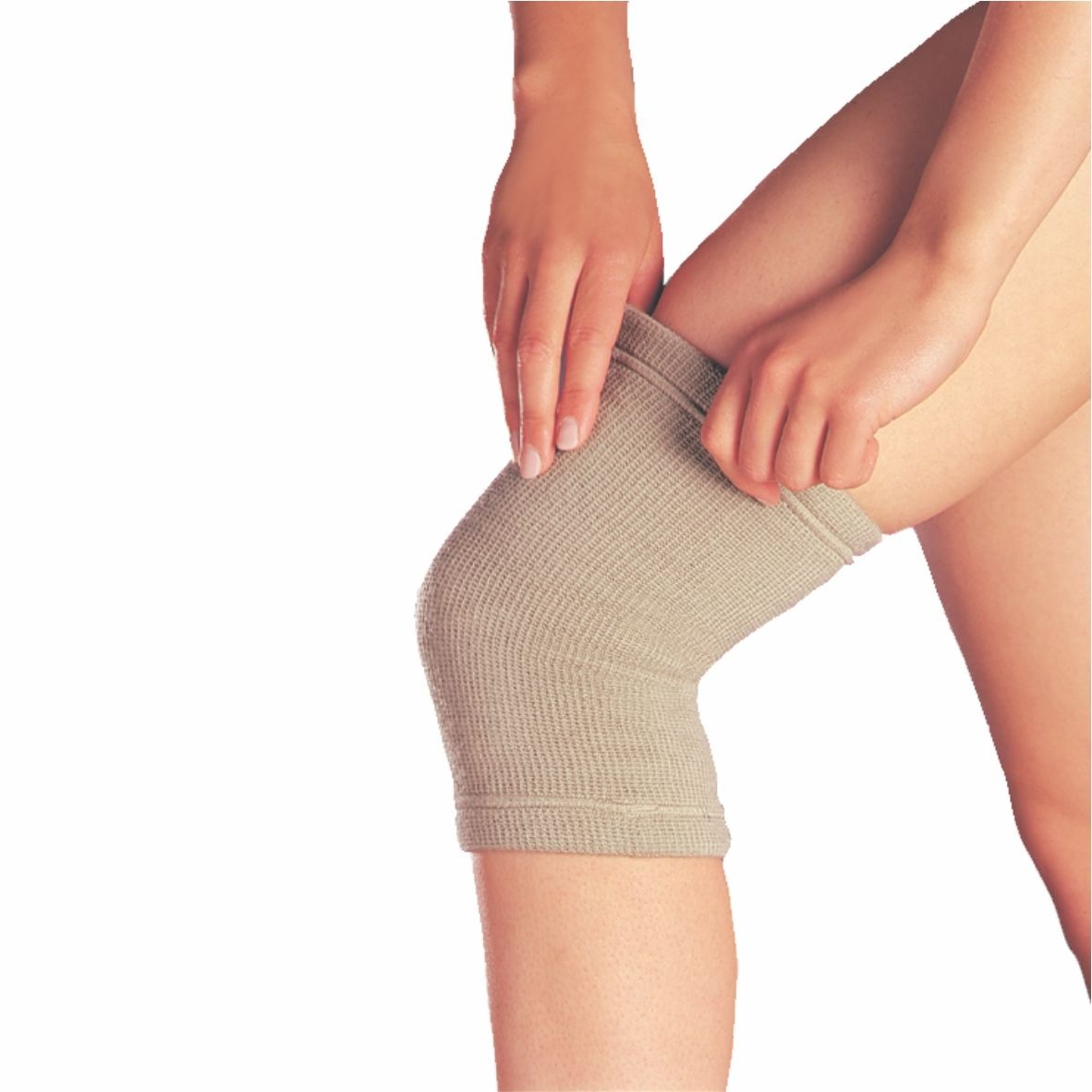
Some people wake up and stretch like nothing happened overnight. Others take that first step in the morning and feel their knee whisper a cautious reminder: go slow. If you belong to the second group, you know how those small, persistent aches can influence your entire day. That’s when a low compression knee support with magnets can feel like a quiet helping hand, not a forceful brace that squeezes the life out of your leg.
Support that’s gentle, warm, and responsive. Who wouldn’t want that?
Why Low Compression Matters More Than You Think
Plenty of knee supports promise stability. Some even look like they were designed for professional athletes. But everyday knee pain doesn’t always need heavy duty gear. Often, the body responds better to something that respects its natural movement rather than restricting it.
Low compression simply provides a light, comfortable hold without the tightness that can irritate circulation or feel suffocating after a few hours. People with sensitive joints, mild osteoarthritis, or post-exercise soreness particularly appreciate this softer approach.
Instead of forcing your knee into a rigid position, a low compression design works with your body’s rhythm. You can bend, walk, squat, and climb stairs without feeling like you’re fighting the brace.
Where Magnets Come Into the Picture
Magnetic therapy has been used for many years in Australia, especially by people looking for natural, non-invasive ways to ease daily discomfort. When magnets are placed strategically around the knee joint, they may assist local circulation and provide a sense of warmth around the area.
That subtle warmth often feels comforting, especially during colder mornings or after a long day on your feet. The beauty of a knee support enhanced with magnets is that you don’t need to do anything. No buttons, no settings. Just wear it and go about your day.
And because Dick Wicks is known for trusted magnetic therapy products, the magnets sit exactly where they need to be for consistent support.
Who Benefits Most from a Low Compression Knee Support with Magnets?
If you’ve ever felt that dull, nagging ache around your kneecap after standing too long, or that twinge that appears when you sit down after a long drive, this type of support was made with you in mind.
Here are some groups who often find relief:
1. People with Mild to Moderate Knee Pain
Maybe it’s age, maybe it’s wear and tear, maybe it’s years of walking on hard surfaces. Low compression support gives comfort without feeling heavy or intrusive.
2. Office Workers
Sitting for long periods can make knees feel unusually stiff. A magnetic knee support keeps the joint warm and supported throughout the day.
3. Walkers and Light Exercisers
You don’t need intense workouts to feel knee strain. Even regular strolls can stress the joint over time. Low compression helps maintain comfort without affecting your range of motion.
4. Older Adults
Many older Australians prefer lighter supports because they’re easier to put on, easier to wear for long hours, and don’t irritate delicate skin.
5. Anyone Sensitive to Tightness
Some people simply dislike the feeling of high compression. They want support, not a tourniquet. Low compression is the sweet spot.
What Makes a Magnetic Knee Support Feel ‘Different’?
It’s often the tiny details that you only notice once you try it. The way the fabric hugs your knee without digging in. The way the magnets seem to add a small, pleasant warmth across the joint. The relief you feel when you don’t have to constantly adjust it like some other braces.
People often describe it as a gentle support that works quietly in the background. One of those wear-it-and-forget-it situations.
Everyday Situations Where This Support Makes Life Easier
Sometimes we underestimate how much the knee actually does for us. You only realise it’s tired when that quick turn in the kitchen feels a little off, or getting in and out of the car becomes a very calculated move.
A low compression knee support with magnets can slot into daily routines effortlessly:
- During long supermarket trips
- Walking the dog on a breezy afternoon
- Gardening sessions
- Commuting
- Cooking meals that have you on your feet for ages
- Travelling
It doesn’t demand anything from you. It simply stays with you, keeping the joint gently supported.
How to Get the Most Out of Your Magnetic Knee Support
A few simple habits can make your experience even better:
- Wear it during the times you’re most active
- Keep your skin clean and dry underneath
- Pair it with light stretching
- Rotate between two supports if you use them daily
Choose the right size so it sits comfortably without slipping
Many users feel the best results when they wear the support consistently through activities they find physically stressful.
Choosing the Right Knee Support for Your Needs
A high compression brace has its place, especially after certain injuries. But everyday joint pain often needs something kinder. A low compression knee support with magnets meets that sweet spot where comfort, warmth, and mobility all come together.
If you love natural, non-invasive approaches and prefer products with proven history, a high quality magnetic knee support from Dick Wicks can be a meaningful addition to your routine.
Final Thoughts
Knee pain can slowly shape your day in ways you don’t realise at first. But small changes, like wearing a gentle and effective support, can give you a sense of ease you didn’t know you’d been missing.
When your knee feels supported, your confidence in movement returns. And sometimes, that’s all you need to enjoy your day a little more.
FAQs
Is low compression enough for daily knee pain?
Ans. For many people with mild to moderate discomfort, yes. Low compression offers comfort without restricting your movement.
Are magnets safe to use every day?
Ans. Yes, magnetic therapy has been used safely for years, and most people wear magnetic supports daily without any issues.
Can I wear a magnetic knee support during exercise?
Ans. You can wear it during light to moderate activity. For high-intensity sports, a higher compression brace may be more suitable.
Will the support feel too warm in summer?
Ans. Low compression designs usually use breathable fabric, so most people find them comfortable year-round.
How long should I wear the support each day?
Ans. That depends on your activity level. Many users wear it during the hours they’re most active or when their knees are under strain.