Introduction
Managing unwanted noise has become an essential requirement across modern industries, commercial buildings, and transportation sectors. Excessive airborne sound, structural vibrations, and impact noise can reduce productivity, affect comfort, and even shorten the lifespan of machinery. This is where acoustic barriers play a vital role by providing reliable sound insulation while minimizing vibration transfer.
Unlike conventional insulation materials, modern Barrier products are engineered to reduce sound transmission without compromising flexibility or ease of installation. Whether applied to vehicles, machinery, building panels, or industrial equipment, these products help create quieter and more efficient environments.
This article explores how acoustic barriers work, their different material options, key applications, and the advantages they offer across multiple industries.
Understanding Acoustic Barriers
Acoustic barriers are flexible sound-insulating materials specifically designed to reduce airborne noise and limit impact sound transmission. Their primary function is to increase the sound insulation performance of existing structures while also acting as an effective vibration-dampening layer.
These specialized materials can be supplied in various forms, including:
- Standard sheets
- Precision die-cut components
- Water jet cut parts
- Custom-manufactured pieces to exact specifications
Because of their flexibility, acoustic barriers can be installed on flat, curved, or irregular surfaces, making them suitable for a wide range of industrial and commercial projects.
How Barrier Products Improve Noise Control
High-quality Barrier products work by increasing the density of lightweight structures. This additional mass helps reduce the amount of airborne sound that passes through walls, panels, machinery, and enclosures.
Their performance extends beyond basic soundproofing by offering:
- Airborne noise reduction
- Transmission loss control
- Impact noise insulation
- Vibration dampening
- Improved acoustic performance of lightweight materials
Many barrier systems can also be combined with acoustic foam to achieve both sound absorption and sound insulation within a single solution.
Flexible Manufacturing for Custom Applications
Every project has unique acoustic requirements. Modern acoustic barriers can therefore be manufactured to match specific dimensions and installation needs.
Custom manufacturing options include:
Sheet Materials
Large-format sheets provide excellent coverage for walls, machinery, enclosures, and equipment.
Die-Cut Components
Precision die-cut pieces allow quick installation while minimizing material waste.
Water Jet Cutting
Water jet technology produces accurate shapes for complex designs without damaging the material.
Curved Surface Installation
One major advantage of flexible barrier materials is their ability to conform to slightly curved, uneven, or wavy surfaces while maintaining excellent sound insulation performance.
Types of Acoustic Barrier Products
Different environments require different material compositions. Several types of Barrier products are available to meet varying acoustic and environmental requirements.
Polymeric Acoustic Barriers
Polymeric acoustic barriers are manufactured using low-density vinyl membranes loaded with naturally occurring mineral materials.
These advanced barriers are designed without lead, bitumen contamination, or unrefined aromatic oils, making them a cleaner solution for many industrial applications.
Their primary purpose is to improve the sound insulation performance of existing panels made from:
- Metal
- Plastic
- Wood
- Composite materials
These barriers are particularly effective across a broad frequency range while helping reduce resonance in lightweight structures such as plywood and hollow-core panels.
PE Foil Covered Acoustic Barriers
PE foil covered Barrier products combine sound insulation with practical surface protection.
Their construction typically includes:
- Dense acoustic layer
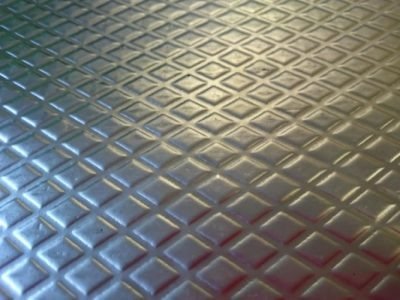
- Diamond-embossed PE facing
- Self-adhesive backing
The polyethylene surface prevents oil seepage from bitumen-based materials while providing a cleaner finish during installation.
These barriers are especially useful where flat sound insulation and vibration reduction are required. The PE layer also allows additional bonding with other materials to produce composite acoustic solutions.
Aluminium-Faced Acoustic Barriers
Applications involving elevated temperatures often require more robust materials.
Aluminium-faced acoustic barriers feature a dense composite layer protected by an aluminium foil surface. This construction reflects thermal radiation while maintaining excellent sound insulation properties.
These barriers are widely used in environments exposed to heat, including:
- Vehicle engine compartments
- Construction machinery
- Agricultural equipment
- Marine applications
The aluminium facing enhances durability while supporting effective vibration damping and noise reduction.
Combining Acoustic Barriers with Acoustic Foam
One of the most effective acoustic solutions involves combining acoustic barriers with acoustic foam.
Each material performs a different function:
- Acoustic foam absorbs reflected sound waves.
- Barrier products block sound transmission.
- Together, they provide complete acoustic treatment.
This combination creates a bespoke laminated system capable of reducing both airborne noise and reverberation, making it suitable for demanding industrial and commercial environments.
Industries That Benefit from Acoustic Barriers
Because of their versatility, Barrier products are used in numerous industries where noise reduction is critical.
Automotive Industry
Vehicle manufacturers use acoustic barriers to reduce engine noise, road vibration, and cabin sound levels, creating a quieter driving experience.
Home Appliances
Modern washing machines, dishwashers, refrigerators, and other household appliances incorporate acoustic materials to minimize operational noise without affecting performance.
Lift Cabins
Elevators generate mechanical vibration through motors, pulleys, and moving components. Acoustic barriers help improve passenger comfort by reducing unwanted noise inside lift cabins.
Metal Furniture
Office furniture and storage cabinets made from sheet metal can amplify vibration and impact sounds. Installing barrier products significantly reduces these effects.
Steel Sinks and Tubs
Steel sinks often produce loud impact noise when water or utensils come into contact with the surface. Acoustic barriers reduce resonance while improving overall user comfort.
Agricultural and Construction Vehicles
Heavy-duty machinery operates under demanding conditions where engines, hydraulics, and moving equipment generate substantial noise.
Flexible acoustic barriers provide reliable insulation while withstanding harsh operating environments.
Pipe Insulation
Noise generated through plumbing and industrial pipe systems can travel considerable distances.
Barrier products help minimize sound transmission while also contributing to vibration control around pipe installations.
Industrial Machinery
Manufacturing facilities often rely on machinery that produces continuous operational noise. Acoustic barriers help lower workplace noise levels, improving employee comfort and supporting compliance with workplace noise regulations.
Key Features of High-Performance Barrier Products
Modern Barrier products offer several important characteristics that make them suitable for demanding applications.
Excellent Flexibility
Flexible construction allows installation on flat panels, curved surfaces, and irregular shapes.
Superior Sound Insulation
The dense material composition significantly reduces airborne sound transmission across multiple frequencies.
Effective Vibration Dampening
Besides blocking sound, these products absorb mechanical vibration, reducing structure-borne noise.
Thermal Reflection
Certain aluminium-faced barriers provide heat reflection, making them ideal for high-temperature environments.
Custom Manufacturing
Available in sheets, die-cut formats, and precision water jet components to suit individual project requirements.
Benefits of Acoustic Barriers
Installing acoustic barriers offers numerous advantages across industrial, commercial, and transportation sectors.
Some of the key benefits include:
- Reduces airborne sound transmission
- Minimizes impact noise
- Controls vibration and resonance
- Improves occupant comfort
- Enhances machinery performance
- Suitable for metal, wood, and plastic panels
- Custom manufactured for unique installations
- Compatible with acoustic foam systems
- Ideal for automotive, industrial, marine, and construction applications
- Supports cleaner and more efficient working environments
Choosing the Right Acoustic Barrier Solution
Selecting the most appropriate Barrier products depends on several factors, including the noise source, operating environment, surface material, and temperature conditions.
For lightweight panels, polymeric barriers provide excellent sound insulation. Areas exposed to heat often benefit from aluminium-faced solutions, while PE foil covered barriers are ideal where cleanliness and easy bonding are priorities.
A properly selected acoustic barrier system delivers long-term performance while improving the overall acoustic quality of equipment, buildings, and vehicles.
Conclusion
As industries continue to prioritize quieter, safer, and more efficient environments, acoustic barriers have become an essential part of modern noise control strategies. Their ability to reduce airborne noise, limit vibration, and improve sound insulation makes them suitable for an extensive range of commercial and industrial applications.
Today’s advanced Barrier products offer far more than simple soundproofing. With flexible manufacturing options, custom cutting capabilities, thermal resistance, and compatibility with acoustic foam laminates, they provide tailored solutions for virtually any noise control challenge. Whether used in automotive manufacturing, construction equipment, home appliances, pipe insulation, or industrial machinery, high-quality acoustic barriers deliver lasting performance, improved comfort, and reliable acoustic protection for demanding environments.