
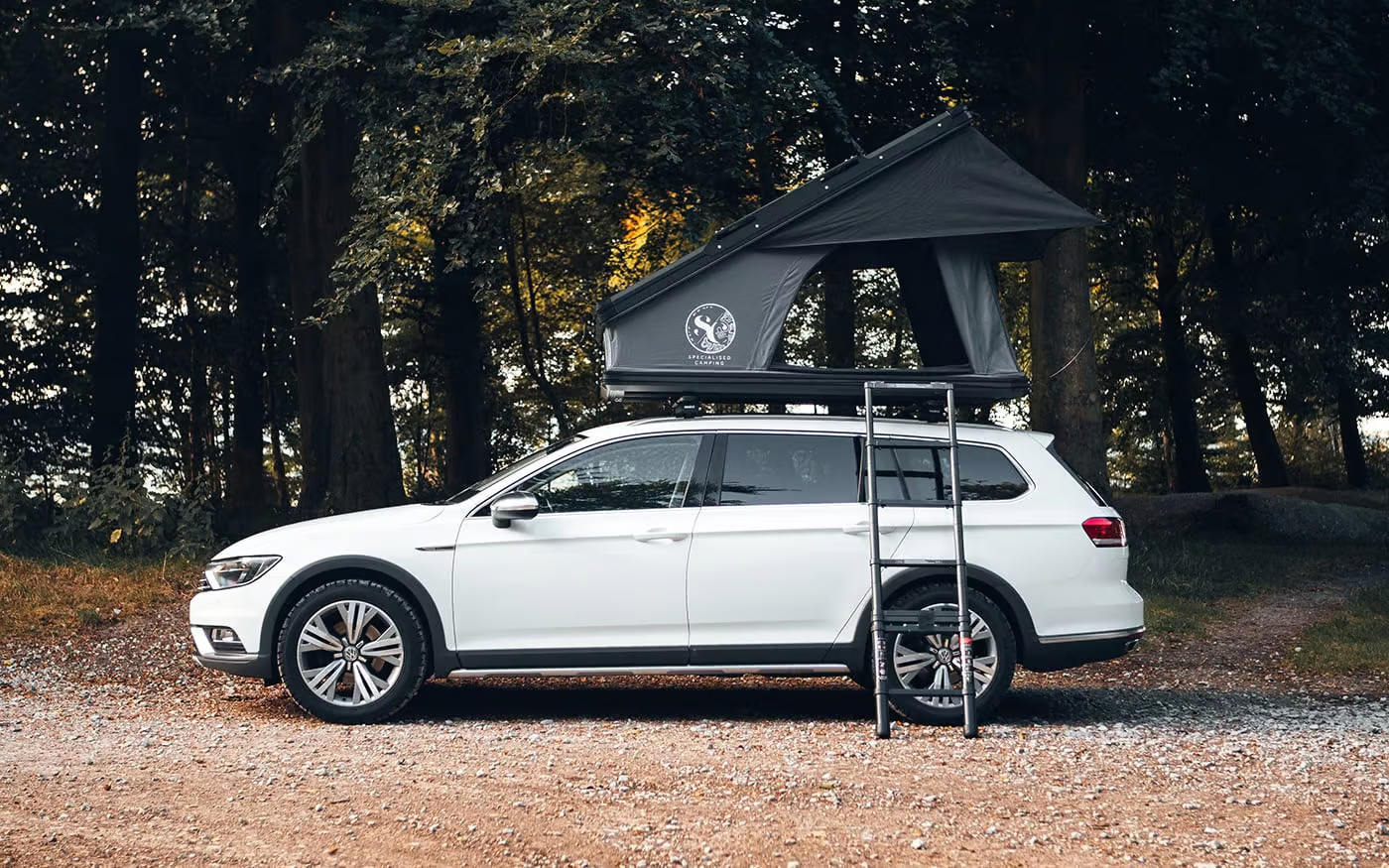
Roof tents have moved from niche overlanding kit to a genuine option for ordinary campers, and 2026 is shaping up to be a big year for them on British campsites. If you’ve been eyeing one up but aren’t sure whether it fits your trips, this guide walks through how roof tents work, what they’re good at, and where a traditional ground tent still wins. Along the way it’s worth checking a specialist like oex to see the range of options currently on sale, from one-person hiking shelters through to full roof tents.
Key takeaways
- Roof tents sit above the vehicle and avoid wet or uneven ground, but only work if you’re travelling by car
- Hard shell roof tents set up faster; soft shell versions are lighter and usually cheaper
- They cost more upfront than most ground tents once roof bars and fitting are included
- Roof tents skip the usual pole and groundsheet setup since the shell and base are built in
- A simple three-question framework, vehicle, frequency of use, and roof rating, helps decide if one is worth buying
Roof tents are exactly what they sound like: a tent that mounts on your car’s roof rack rather than pitching on the ground. They fold out, usually with a ladder to climb up, and sit above the vehicle rather than beside it. For UK campers dealing with wet fields, uneven pitches and unpredictable weather, that height off the ground is the main selling point.
How Roof Tents Actually Work
Most roof tents attach to a set of roof bars or a dedicated roof rack using mounting brackets. The tent body folds flat for driving and pops up, usually with gas struts or a simple hinge mechanism, when you park up for the night. A telescopic ladder gives access, and the floor of the tent is typically a rigid or semi-rigid base rather than a groundsheet.
Hard Shell vs Soft Shell
Hard shell roof tents have a solid fibreglass or aluminium lid that lifts up on gas struts, often opening in seconds. Soft shell versions fold out like a book and take a bit longer to set up but tend to be lighter and cheaper. Hard shells are better for frequent use and quick stops; soft shells suit people who camp for longer stretches and don’t mind a bit more faff.
Why Campers Choose Roof Tents
The biggest draw is staying off wet, cold, or lumpy ground. Roof tents sit above puddles, mud, and uneven turf, which matters a lot on typical British campsites after a few days of rain. They also set up faster than most ground tents once you’re used to the mechanism, sometimes in under five minutes.
- No need to check the ground for stones, roots or slopes before pitching
- Better airflow underneath means less condensation build-up on the tent floor
- Mattress stays built in, so there’s less kit to pack and carry
- Harder for ground-level wildlife or damp to be a problem overnight
These points make roof tents especially popular with road trippers who move sites often and don’t want to repeat the same pitching routine every evening.
Where Roof Tents Fall Short
Roof tents aren’t automatically the right answer for everyone. They only work if you’re travelling by car, so anyone hiking in on foot or catching a train to a trailhead is out of luck. Fuel economy also takes a hit, since a roof tent adds weight and drag that a rooftop box doesn’t.
Cost is another factor. A roof tent, plus the roof rack and bars needed to fit it, usually costs more upfront than a solid two or three person ground tent. If budget is tight, a well-made ground tent, such as the oex phoxx 2, will often do a similar job for a fraction of the price and without any vehicle compatibility questions.
Ground Tents vs Roof Tents: A Quick Comparison
| Factor | Ground Tent | Roof Tent |
| Setup time | 5 to 20 minutes depending on size | Often under 5 minutes once bracket-fitted |
| Cost | Lower, especially for 1 to 3 person tents | Higher, plus roof bars and fitting |
| Ground conditions | Affected by mud, slopes, stones | Largely unaffected |
| Portability without a car | Yes, can be carried on foot | No, vehicle-dependent |
| Fuel economy impact | None | Noticeable at motorway speeds |
Who Should Actually Buy One
Roof tents make the most sense for people who camp regularly from a car, move between sites often, or camp in areas where flat, dry pitches are hard to find. Overlanders, families doing multi-stop road trips, and anyone who values speed over ultimate flexibility tend to get the most out of them. Someone browsing an oex roof tent listing is usually already thinking along these lines, weighing it against a standard tent for weekend trips.
If most of your camping involves hiking to a pitch, wild camping without a vehicle, or squeezing a tent into a small car boot alongside other gear, a lightweight one or two person ground tent will suit you better. Roof tents are a specific tool for a specific style of travel, not a universal upgrade.
Poles, Groundsheets and What Roof Tents Don’t Need
One underrated benefit of roof tents is skipping the usual pole and groundsheet questions altogether. Ground tents rely on pole sets for structure and a separate footprint groundsheet to protect the floor from stones and damp, both of which need maintaining and occasionally replacing. Roof tents avoid this because the shell and integrated base handle both jobs, though the trade-off is that repairs, if the shell cracks or a strut fails, tend to be more specialist and costlier than swapping a bent tent pole.
Making the Decision: A Simple Framework
Rather than just comparing price tags, it helps to ask three questions before choosing between a roof tent and a ground tent. First, will you always have the car with you on this specific trip, since a roof tent is useless if you leave the vehicle at a station or trailhead. Second, how many nights a year will it actually get used, because expensive kit that sits idle for most of the year rarely earns its cost back in convenience. Third, does your vehicle have the roof capacity and rack rating to carry the extra weight safely, which is worth checking with the tent’s spec sheet and your car’s handbook before buying anything.
Answering those three honestly usually makes the choice obvious. Frequent road trippers with the right vehicle tend to lean towards roof tents, while occasional campers, hikers, and anyone without a suitable roof rack are usually better served sticking with a ground tent.
Frequently Asked Questions
Are roof tents worth it for UK weather?
Yes, for regular campers with a suitable car. Being raised off the ground helps with the mud and standing water that British campsites often get after rain, though a good ground tent with a solid footprint groundsheet can cope just as well in dry to average conditions.
Can any car take a roof tent?
No. You need roof bars rated for the tent’s weight plus the weight of people sleeping in it, and your car’s roof load rating needs to cover that too. Always check the vehicle handbook and the tent’s specification before fitting anything.
How long do roof tents take to set up?
Hard shell versions can open in under five minutes using gas struts, while soft shell versions usually take ten to fifteen minutes to unfold and secure. Both are generally quicker than pitching a large ground tent from scratch.
Do roof tents need a groundsheet?
No, roof tents have their own built-in floor or base, so a separate footprint groundsheet isn’t needed the way it is with ground tents.
Is a roof tent better than a two person tent for couples?
It depends on travel style. Couples doing car-based road trips with frequent stops often prefer roof tents for the speed and comfort, while couples hiking in or travelling without a car are better off with a compact two person ground tent.