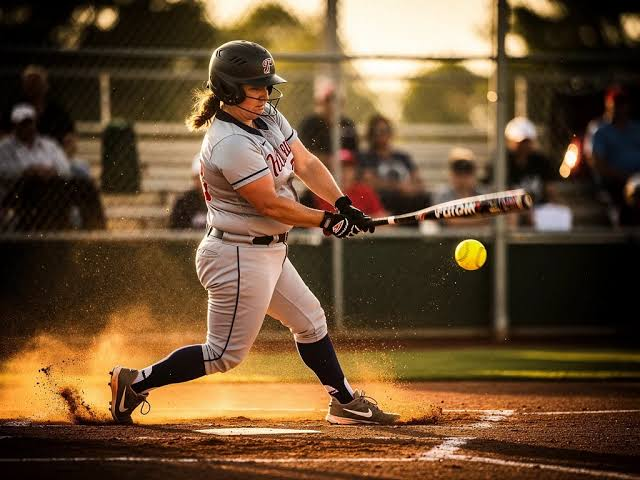
Choosing the right bat can make a noticeable difference in a player’s comfort, confidence, and overall performance on the softball field. Since every athlete has a different swing style, strength level, and playing experience, selecting equipment that matches individual needs is important. When comparing Slowpitch Softball Bats players should look beyond appearance and consider factors such as material, weight, barrel design, balance, grip, and league regulations. Understanding these features can make the buying process easier and help players find a bat that feels right during every game.
Understand the Different Bat Materials
One of the first things to consider is the material used in bat construction. Slow pitch softball bats are commonly made from aluminum, composite materials, or a combination of both. Each construction offers a different feel and may suit different player preferences.
Aluminum bats are often appreciated for their durability and straightforward design. They generally provide a responsive feel and are available in a variety of price ranges. This makes them a practical option for recreational players and those who want reliable equipment for regular use.
Composite bats are constructed using layered materials and are often designed to provide a comfortable swing feel. Some models may include features intended to reduce vibration and improve handling. However, composite bats may require a break-in period, so players should follow the manufacturer’s recommendations before using them in competition.
Hybrid bats combine different materials to bring together selected characteristics of aluminum and composite construction. Comparing these options can help players decide which material best matches their preferences and budget.
Choose the Right Bat Weight
Bat weight is an important consideration because it affects how comfortably a player can swing. A bat that is too heavy may slow down swing mechanics and make it difficult to maintain control throughout a game. On the other hand, a bat that is too light may not provide the feel a particular player prefers.
Players should consider their strength, swing speed, and physical comfort when selecting a weight. Rather than automatically choosing the heaviest or lightest option, it is better to test several models and observe how naturally they move through the hitting zone.
A comfortable bat should allow a player to complete a controlled swing without unnecessary strain. Consistency is often more valuable than choosing equipment simply because it has a heavier design.
Consider Bat Length and Barrel Size
Bat length influences reach and swing control. A longer bat may help a player cover more of the strike zone, but it can also feel harder to maneuver. A shorter bat may offer a more compact swing, although it could reduce reach for some hitters.
Barrel size is another feature worth examining. The barrel is the area that makes contact with the ball, and its dimensions can affect how a bat feels during hitting. Some players prefer a larger barrel because it may offer a more forgiving contact area, while others prioritize a design that feels easier to control.
Trying different lengths and barrel designs can help players identify an option that suits their stance, swing mechanics, and comfort level.
Compare Balanced and End-Loaded Bats
Bat balance determines how weight is distributed throughout the equipment. Balanced bats spread weight more evenly, which can make them easier to handle. They may appeal to players who prioritize swing control and smooth movement through the hitting zone.
End-loaded bats have additional weight toward the barrel. Some experienced or power-focused hitters prefer this design because of its heavier feel. However, the added weight near the end of the bat may require more strength and control.
The best balance depends on personal preference and hitting technique. Players should practice with both styles when possible instead of assuming that one design will automatically improve performance.
Pay Attention to Grip and Handle Comfort
The handle plays an important role in how securely a player can hold and control a bat. A comfortable grip can help reduce slipping and support consistent hand positioning during a swing. Some bats come with specialized grip materials or cushioning designed to improve handling.
Handle thickness also matters. A grip that feels too thick or too thin may cause discomfort, especially during longer games or practice sessions. Players should hold the bat in their normal batting stance and check whether their hands feel relaxed and secure.
If the original grip does not provide enough comfort, a compatible replacement grip may offer a practical adjustment.
Check League Certifications and Regulations
Before purchasing a slow pitch softball bat, players should confirm that it meets the requirements of their league or tournament organization. Different competitions may follow specific equipment standards, including certification requirements and restrictions on bat construction.
Approved certification markings should be checked carefully, and players should consult their league’s current equipment rules when uncertain. Buying a bat without confirming its approval could create problems during organized games.
It is also important to inspect the bat regularly. Cracks, dents, loose end caps, or other visible damage may affect its condition and make it unsuitable for continued use.
Consider Your Budget and Playing Frequency
Price is another factor that should influence the buying decision. More expensive bats may include advanced construction or specialized features, but a higher price does not guarantee that a model will suit every player.
Recreational athletes may prefer a dependable and affordable option, while frequent players might consider investing in a model that matches their performance preferences and expected usage. Comparing warranties, manufacturer guidance, and product specifications can also help buyers understand the overall value.
Conclusion
Choosing the right slow pitch softball bat requires careful attention to material, weight, length, barrel size, balance, grip, and league regulations. Every player has different needs, so the ideal bat is the one that feels comfortable and supports a consistent swing. By testing available options, reviewing product specifications, and considering playing frequency and budget, athletes can make a confident decision and enjoy a more comfortable experience on the field.