
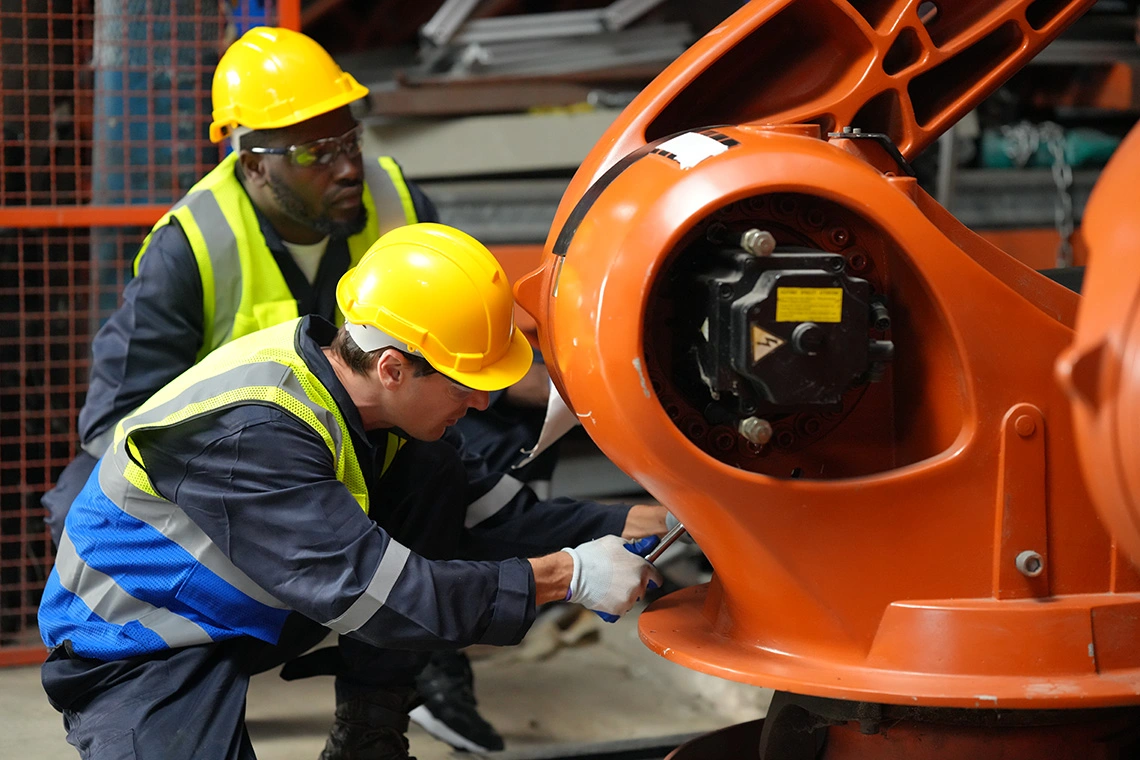
Unexpected equipment failures can disrupt daily operations, increase repair costs, and reduce overall productivity. Whether a business operates in manufacturing, healthcare, logistics, or facilities management, keeping equipment in good working condition is essential for maintaining efficiency. Many organizations rely on cmms software to organize maintenance activities, schedule inspections, and keep accurate records that support preventive maintenance strategies.
Instead of waiting for equipment to fail, businesses are increasingly adopting preventive maintenance practices that identify potential issues before they become costly problems. This proactive approach helps extend the lifespan of valuable assets while minimizing unexpected interruptions that can affect production, customer service, and profitability.
Understanding Preventive Maintenance
Preventive maintenance is a planned approach to maintaining equipment on a regular schedule. Rather than repairing machinery only after a breakdown occurs, maintenance teams inspect, service, clean, and replace components before problems develop.
Routine maintenance may include lubrication, filter replacement, calibration, safety inspections, and performance testing. These small but consistent tasks help ensure that equipment continues to operate reliably over time.
Reducing Unplanned Downtime
One of the biggest advantages of preventive maintenance is reducing unexpected downtime. Equipment failures often occur without warning, forcing businesses to pause operations while repairs are completed.
When maintenance schedules are followed consistently, many common issues can be identified during routine inspections. Addressing minor concerns early prevents them from becoming major failures that require expensive repairs or lengthy production delays.
Extending Equipment Lifespan
Business equipment represents a significant financial investment. Replacing machinery before the end of its expected lifespan can place unnecessary pressure on budgets.
Regular maintenance helps equipment perform more efficiently while reducing wear and tear on critical components. As a result, businesses can maximize the value of their assets and delay costly replacement purchases.
Improving Workplace Safety
Faulty equipment can create serious safety risks for employees. Mechanical failures, electrical issues, and worn components may increase the likelihood of workplace accidents.
Preventive maintenance helps identify potential hazards before they lead to injuries. Routine inspections ensure that machinery continues to operate safely and meets workplace safety standards.
A safer work environment not only protects employees but also reduces legal risks and improves overall operational confidence.
Lowering Repair Costs
Emergency repairs are often more expensive than scheduled maintenance. When equipment fails unexpectedly, businesses may need to pay for urgent service calls, expedited replacement parts, or overtime labor.
Preventive maintenance reduces these unexpected expenses by identifying problems before they become severe. Small repairs completed during scheduled maintenance are generally less costly than major emergency breakdowns.
Improving Operational Efficiency
Well maintained equipment operates more efficiently than machinery that receives little attention. Machines running at optimal performance consume fewer resources, experience fewer interruptions, and produce more consistent results.
This increased efficiency supports higher productivity across the organization while allowing employees to focus on their responsibilities rather than dealing with equipment failures.
Better Maintenance Planning
Planning maintenance activities in advance allows organizations to schedule work during periods of lower operational demand. This minimizes disruption while ensuring equipment receives the attention it needs.
Maintenance teams can organize inspections, order replacement parts ahead of time, and allocate resources more effectively when maintenance schedules are planned instead of reacting to unexpected breakdowns.
Supporting Regulatory Compliance
Many industries require organizations to maintain detailed maintenance records and perform routine inspections to comply with safety and operational regulations.
Preventive maintenance programs help businesses document completed work, inspection dates, repair history, and equipment performance. These records can be valuable during audits and regulatory reviews.
Maintaining accurate documentation also demonstrates an organization’s commitment to safety and operational excellence.
Making Better Asset Management Decisions
Every piece of equipment has its own maintenance history and performance pattern. Collecting this information helps organizations make informed decisions about repairs, upgrades, and replacements.
By reviewing maintenance records over time, businesses can identify assets that require frequent repairs or have reached the end of their useful life. This information supports better budgeting and long term planning.
Building a Proactive Maintenance Culture
Successful preventive maintenance depends on more than schedules and checklists. It requires a workplace culture where equipment care becomes part of everyday operations.
Employees should be encouraged to report unusual sounds, performance changes, or visible signs of wear as soon as they notice them. Early reporting allows maintenance teams to investigate small issues before they develop into larger problems.
Training staff to understand the importance of preventive maintenance also increases participation and helps create a more reliable operating environment.
Investing in Long Term Business Success
Preventive maintenance is not simply about repairing equipment. It is a strategy that supports business continuity, improves productivity, enhances workplace safety, and protects valuable assets.
Organizations that invest in proactive maintenance often experience fewer operational disruptions, lower maintenance costs, and greater confidence in their daily operations. Over time, these benefits contribute to stronger financial performance and improved customer satisfaction.
Final Thoughts
Reducing equipment downtime requires planning, consistency, and a commitment to proactive maintenance practices. Businesses that prioritize preventive maintenance are better prepared to avoid costly breakdowns while extending the life of their equipment and improving operational efficiency.
If you are exploring business technology solutions before making an investment, App Finder Guru is a helpful destination for discovering software categories, comparing business tools, and finding solutions that align with your operational requirements. Choosing the right software can make maintenance management more organized, efficient, and effective in the long run.